
Most homeowners already know they want more glass and more light in a new patio door. What they often need help with is understanding why double glazing is so important for the way that door actually performs. This guide gives installers clear, credible talking points on glazing performance to support those client conversations about the benefits of double glazed patio doors.
Why thermal efficiency is the first thing clients ask about
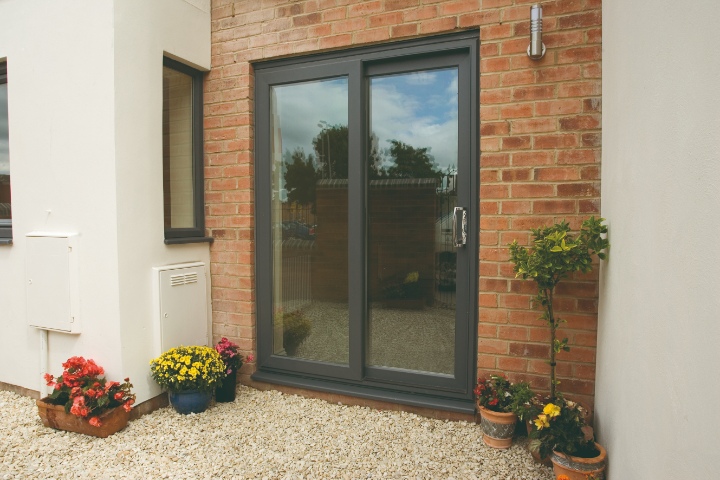
A double glazing patio door uses two panes of glass with a sealed air or gas layer-filled gap between them, which slows heat transfer and makes it ideal for modern homes. That gap is doing the real work: still air and inert gases such as argon conduct heat far more slowly than glass alone, cutting the heat loss that would otherwise escape through a large glazed door.
For clients, this translates directly into lower energy bills. Reduced heat loss means the heating system works less hard to maintain a stable indoor temperature in your living space, which matters even more on a patio door than a standard window given the larger glass panels involved.
Energy ratings give you a simple way to compare products with clients. Windows and doors are rated under the British Fenestration Rating Council scheme, from A++ down to E, based on their Window Energy Rating.
The noise reduction benefit clients don’t expect
Thermal performance tends to lead the conversation, but noise reduction is often the benefit that seals the deal, particularly for clients on busy roads or near flight paths.
The air gap between the layers of glass does more than slow heat transfer. It also disrupts sound waves, reducing the noise that passes through much more than a single pane would. For clients who specifically mention noise, a wider cavity, laminated glass, or asymmetric pane thicknesses can all improve the result further.
This is a genuinely practical selling point. It is one of the few upgrades where the client notices the difference from day one.
Security advantages that go beyond the glass
Security usually comes to mind once a client starts considering installing a large new opening onto the garden. Thankfully, double glazing patio doors, especially those with aluminium frames, offer real security advantages:
- Toughened safety glass resists impact far better than older single-glazed units
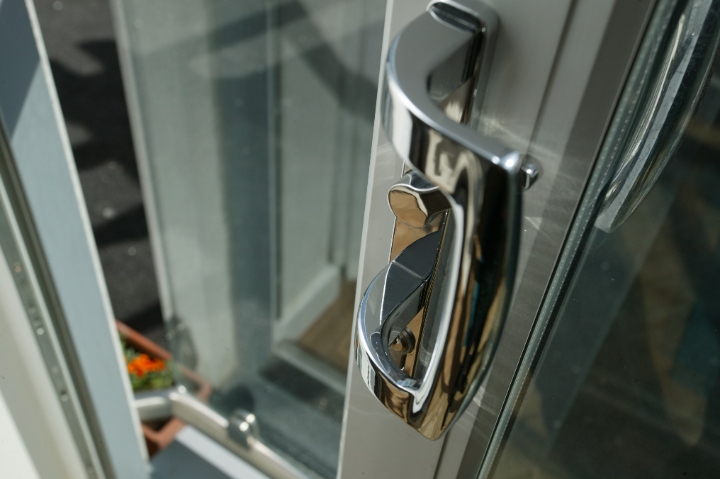
- Multi-point locking across aluminium frames adds several locking points along the height of the door, not just one
- Robust frame construction on aluminium systems like Visoglide Plus gives a strength advantage over lighter-weight materials
For peace of mind, encourage clients to ask about the specific lock mechanism and glass specification rather than assuming all double glazing performs the same way on security.
Condensation control: what’s actually happening on the glass
Condensation forms when warm, moist air meets a cold surface, and so is much less likely to form on a double glazed surface. This is because the inner surface stays closer to room temperature, rather than dropping to the cold outdoor temperature a single pane would reach. Thanks to their thermal efficiency, modern double glazed patio doors are far less prone to condensation than older, single glazed doors.
Meeting Building Regulations without the guesswork
Compliance is where clear, documented answers protect both you and your client. In England, Approved Document L sets the standard for replacement glazing (including patio doors) and current guidance sets limiting and target U-value thresholds for replacement windows and doors in existing dwellings. Always check the current edition on the Government’s Approved Documents page, since values are periodically updated.
Double vs triple glazing: what’s the real difference for patio doors?
Triple glazing adds a second gas filled gap and third glass pane and typically improves thermal performance further. Points worth raising with clients comparing the two:
- Thermal performance: triple glazing generally achieves a lower U-value than double glazing, meaning less heat loss and better energy efficiency, but the gap narrows with high-specification double glazing using low-emissivity coatings.
- Weight: triple glazed units are heavier, which matters more on large sliding panels and can affect track and roller specification
- Cost: triple glazing carries a higher price, so it is best suited to clients prioritising maximum thermal performance or noise reduction, such as those on busy roads or in colder, more exposed locations
For most standard UK homes, a well-specified double glazing patio door with a good Window Energy Rating remains the practical choice, with triple glazing reserved for clients with a specific performance requirement.
Talk to TWR about your next patio door order
TWR Group has been supplying installers and developers nationwide with aluminium and uPVC windows and doors since 2001, operating from a new 65,000 sq ft headquarters in Sunderland. If you want technical support on glazing specification, U-values, or which patio door system suits your client’s project, TWR’s team is ready to help with trade pricing and fast lead times.
Get in touch:
- Online contact form: twrgroup.co.uk/contact
- Telephone: 0191 565 2200
- Email: sales@twrgroup.co.uk